How to Prepare a Mobile Home for Demolition
You've scheduled your mobile home demolition. Now what? Several things need to happen before the crew shows up with their equipment. Some you'll handle yourself, some require professional help, and some the demolition company may handle.
Here's your complete preparation checklist to make demolition day go smoothly.
Disconnect Utilities First
This is non-negotiable. All utilities must be disconnected before demolition:
Electricity: Contact Idaho Power to disconnect and remove the meter. Schedule this at least a week before demolition—utility companies aren't always quick.
Natural gas: Call Intermountain Gas to shut off service and cap the line at the meter. Never try to disconnect gas yourself.
Water: Contact your water provider to turn off service. The line should be capped at the meter or where it enters the property.
Sewer: If connected to city sewer, you may need the connection capped. Check with your local utility.
Propane: If the home has a propane tank, have it emptied and removed by your propane supplier before demolition.
Remove Personal Property
Everything inside needs to come out:
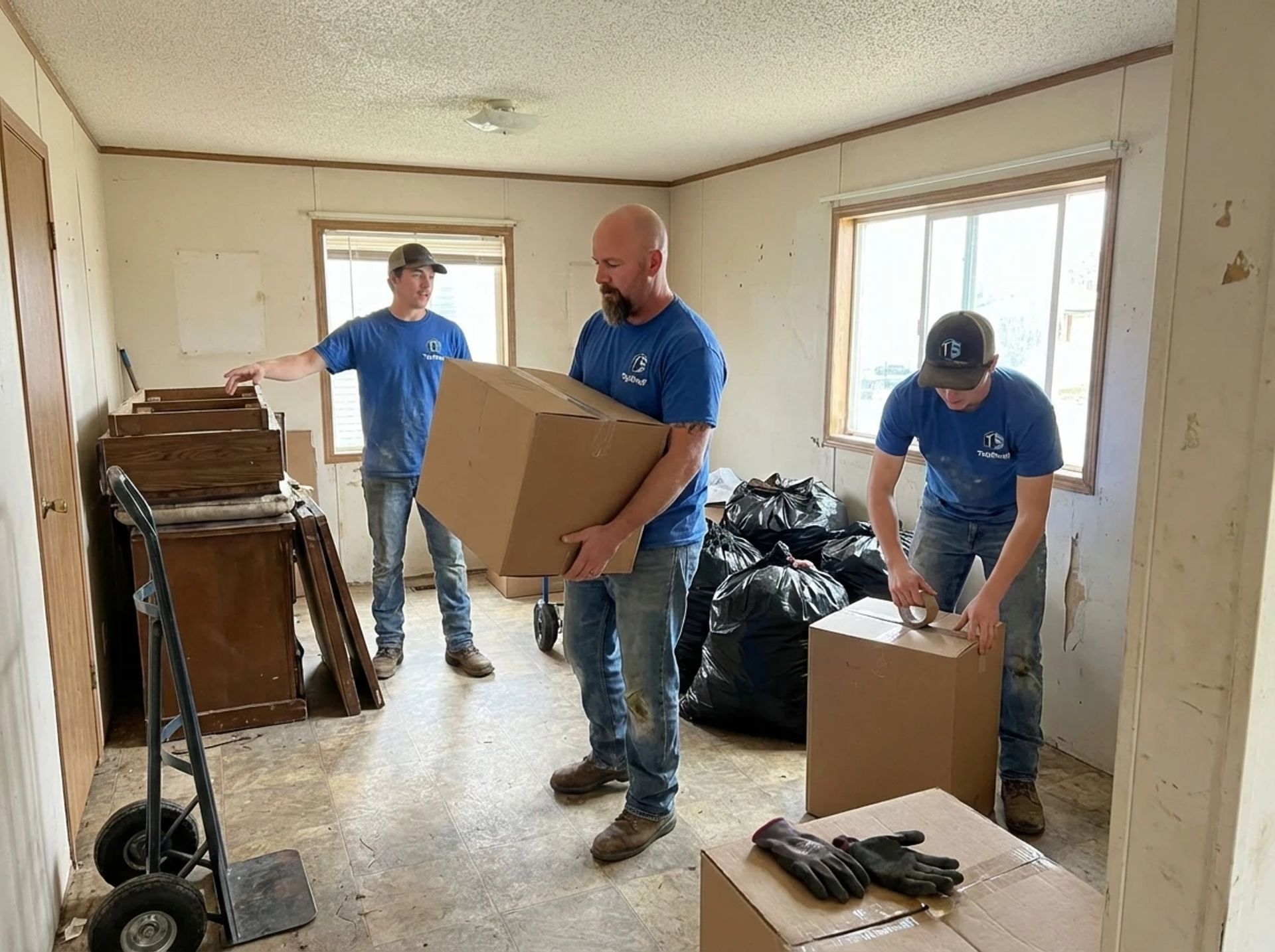
If you can't clean out the home yourself, some demolition companies offer cleanout services for an additional fee. Ask when getting quotes.
Clear the Perimeter
Equipment needs room to work. Clear the area around the mobile home:
Move vehicles. Cars, trucks, trailers, ATVs—anything within the work zone needs to be relocated.
Clear outbuildings if needed. Sheds, carports, or other structures in the way may need to be moved or demolished first.
Remove loose items. Landscaping ornaments, portable fire pits, outdoor furniture, hoses, and tools should be moved clear.
Identify obstacles. Note low-hanging branches, power lines, fences, or other obstacles the crew should know about.
Ensure access. Equipment typically needs a clear path at least 12 feet wide. Remove gates, unlock access points, and make sure the driveway can handle heavy equipment.
Handle Permits and Inspections
Before demolition can legally proceed:
Demolition permit. Most Treasure Valley jurisdictions require one. Either you or your contractor can apply—confirm who's handling it.
Asbestos inspection. Required for many older mobile homes. A certified inspector takes samples and provides documentation. Schedule this at least 1-2 weeks before planned demolition.
Utility disconnect verification. Keep documentation from each utility company showing service was terminated. You may need this for the permit.
HOA or park approval. If the mobile home is in a park or community with rules, make sure you have necessary approvals.
Notify Neighbors
Demolition creates noise, dust, and truck traffic. Giving neighbors a heads up is good etiquette:
Let them know the date. A quick knock on the door or note in the mailbox goes a long way.
Warn about noise. Heavy equipment isn't quiet. Neighbors with pets, babies, or work-from-home situations will appreciate advance notice.
Mention truck traffic. Debris hauling means multiple trucks in and out. If there's a shared driveway, coordinate timing.
Discuss any shared concerns. Fences on property lines, shared utilities, trees near the work area—address these before demolition day.
Day Before Demolition
Final checks before the crew arrives:
Verify utility disconnections. Double-check that everything is off and documented.
Walk through the home one last time. Make sure nothing valuable got missed during cleanout.
Confirm arrival time with the contractor. Know when to expect the crew.
Check the weather. Heavy rain can delay demolition. Confirm the schedule if weather looks questionable.
Plan your day. Decide if you'll be on site or prefer to be elsewhere during demolition. Both are fine—just let the contractor know.
What the Contractor Usually Handles
You don't have to do everything yourself. Most demolition contractors will:
Handle permits. Many contractors include permit acquisition in their services.
Coordinate asbestos testing. They often have relationships with certified inspectors.
Remove appliances. Most include appliance removal in the demolition price.
Handle debris disposal. This should be part of any complete demolition quote.
The Bottom Line
Preparing for mobile home demolition isn't complicated, but it does require advance planning. The key steps—utility disconnection, cleanout, permits, and site access—need to happen before the crew arrives.
Start the utility disconnection process early. Utility companies often need a week or more of notice, and their schedules don't always align with yours.
A good demolition contractor will walk you through what needs to happen and what they'll take care of. Don't hesitate to ask questions about responsibilities.
Ready to Schedule Demolition?
We'll walk you through exactly what needs to happen to prepare your mobile home for demolition. Free estimates throughout the Treasure Valley.
Call (208) 247-3193