Mobile Home Removal Boise: Prepping the Lot for a New Home
Here's a common one. The old single wide is coming off the lot, a new double wide is already on order, and the dealer calls with one question: is the site ready? Meanwhile there's a sewer stub sticking out of the dirt where the old bathroom used to be.
We see that moment a lot. If you're swapping an old trailer for a new manufactured home, mobile home removal in Boise is only half the job. The other half is leaving a lot the new home can actually sit on. Here's how we handle mobile home demolition in Boise when something new is coming in behind us.
The old footprint almost never matches the new one
Plenty of older single wides around the Treasure Valley are narrow by today's standards. Most homes going in now are wider, longer, or both. So the spot where the old home sat rarely lines up with where the new one goes.
That matters because an old home leaves things behind. Concrete piers. Tie-down anchors screwed deep into the ground. Runner blocks. A little slab porch somebody poured decades ago.
Anything under the new footprint has to come out. Anything outside it, you might be able to leave alone and save a little money.
Get the new home's layout before demo day. Your dealer or installer can give you a plot plan showing exactly where the new home lands. Hand it to us at the estimate. It changes what we pull and what we leave.
Mobile home demolition in Boise when a new home is on the way
On a straight teardown, we take the home, the skirting, the steps and whatever else we agreed on, then rake the site. When a new home is coming, we ask more questions.
Where are the anchors? Old auger anchors go deeper than most people expect. One left in the wrong spot can get in the installer's way when they set new piers, so we pull them.
What about the pad or runners? Honestly, yes, we'd love to break out and haul that concrete for you. But your installer's opinion matters more than ours here. Some setups can reuse a good pad and some can't. Ask them first, then tell us. We'll do either.
Is anything buried? Old propane lines, a forgotten clean-out, a fence post somebody cut off at grade. We mark what we find so nobody backs a trailer over it later.
Utilities: who caps what
This is the part that trips people up the most.
We don't touch live utilities. Before we start, the power company pulls the meter, your gas provider shuts off and caps the gas, and water and sewer get shut off and capped at the stub. Most building departments want proof the disconnects are done before they'll sign off on a demolition permit, so start those calls early.
The good news? If the stubs are in decent shape and roughly in the right place, the new home can often tie right into them. If the new plumbing drop lands somewhere else, a licensed plumber extends or moves the line. Your installer will know whether that happens before or after the home is set.
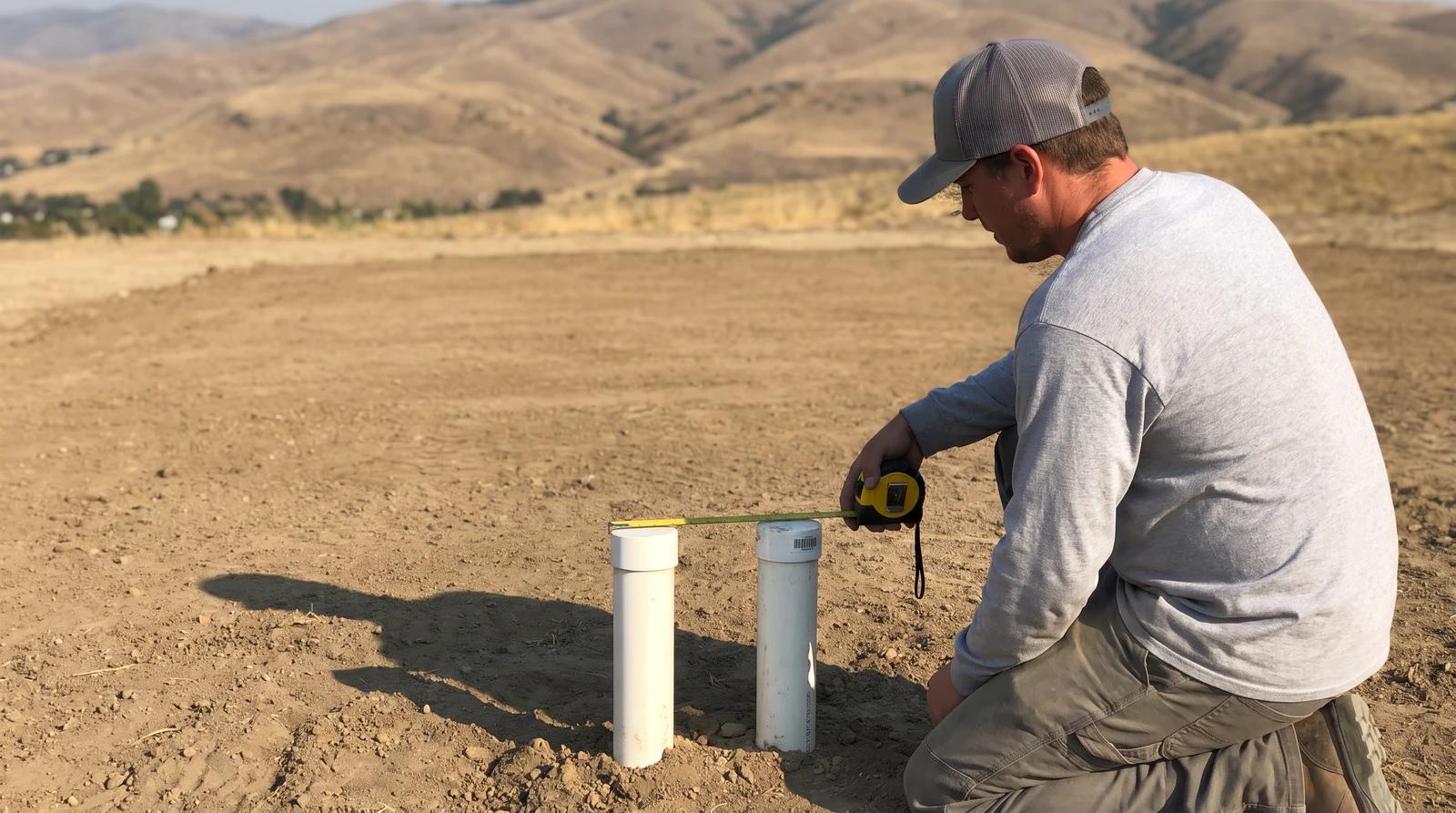
Tip: Before the old home leaves, take a few photos of where the water, sewer and electric come up, with a tape measure stretched from something that isn't going anywhere, like a fence corner or a property pin. Once the home is gone and the lot is raked, those stubs get surprisingly hard to find.
Grading, drainage and Idaho weather
The ground under an old mobile home is usually a mess. Years of settling, rodent tunnels, dirt that hasn't seen sun in decades.
A new home needs a level, compacted, well-drained spot. We'll rake it out, pull debris and fill small low spots. Real grading and compaction is a dirt contractor's job, and if your lot needs one, we'll tell you instead of pretending otherwise.
Weather plays into this more than you'd think. In winter the ground freezes, which makes setting piers and moving dirt a pain. In spring, rain shows you exactly where water wants to sit. Sometimes the whole old footprint turns into a shallow pond after one storm. If that happens, wait, watch where it drains, and adjust the setup plan before the new home shows up. Cheap lesson.
Late summer and fall stay busy for a reason. Dry ground, long days, and everybody wants the new home set before the first hard frost.
Timing your mobile home removal so the lot isn't empty for months
Schedule removal too early and you've got a bare lot growing weeds. People notice empty lots, too. Old mattresses and couches have a way of appearing overnight on cleared lots.
Schedule it too late and the delivery crew shows up to find the old home still sitting there. Nobody wants that phone call.
The sweet spot is close enough to delivery to avoid a long gap, with enough room left for utility work and inspections. How much room you need depends on your utility providers, the inspection schedule and the dealer's delivery date. Same-day service is sometimes possible if we've got an opening.
One more thing on paperwork. The demolition permit for the old home and the setup permit for the new one are usually separate. Boise, Meridian, Eagle and Nampa each have their own building department, and county land follows Ada or Canyon County rules. A quick call before you lock in dates saves a lot of grief.
And the old home? A good chunk of it gets donated or recycled. Appliances, metal roofing and steel framing rarely end up at the landfill.
The bottom line
If a new home is coming, plan the removal around it. Know the new layout, sort out who caps the utilities, ask your installer about the pad, and time the teardown so the lot's ready when delivery day comes.
Want a second set of eyes on your lot? Give us a call at (208) 247-3193. We'll come out, walk it with you and give you a firm price before anything gets touched, with no hidden fees. Cash, card and Venmo all work, and there's no pressure either way.
Get a Free Estimate
We'll come look at your mobile home and give you a complete price—no surprises, no hidden fees.
Call (208) 247-3193More From Our Blog
Mobile Home Demolition Boise: Asbestos in Older Trailers
Older trailers can hide asbestos in floors, ceilings and roof coatings. Here's what to check before mobile home demolition in Boise and the Treasure Valley.
Mobile Home Removal Boise: Utilities to Shut Off Before Demo
Before a mobile home comes down in Boise, the power, gas, water and sewer have to be handled. Here's who to call, what to cap, and what slows it down.
Mobile Home Removal in Boise When You Inherit an Old Trailer
Inherited a lot with an old trailer on it? What to sort out before mobile home removal in Boise: ownership, probate, the cleanout, utilities and permits.
